
گرینائٹ آگنیس چٹان کی ایک قسم ہے جو اپنی انتہائی طاقت، کثافت، استحکام اور سنکنرن کے خلاف مزاحمت کے لیے کھائی جاتی ہے۔ لیکن گرینائٹ بھی بہت ورسٹائل ہے- یہ صرف چوکوں اور مستطیلوں کے لیے نہیں ہے! درحقیقت، ہم پراعتماد طریقے سے تمام تغیرات کی شکلوں، زاویوں اور منحنی خطوط میں انجنیئر کردہ گرینائٹ اجزاء کے ساتھ کام کرتے ہیں—بہترین نتائج کے ساتھ۔
Through our state of the art processing, cut surfaces can be exceptionally flat. These qualities make granite the ideal material to create custom-size and custom-design machine bases and metrology components. Granite is:
■ مشینی قابل
■ کاٹ کر مکمل ہونے پر بالکل فلیٹ
■ مورچا مزاحم
■ پائیدار
■ دیرپا
گرینائٹ کے اجزاء کو صاف کرنا بھی آسان ہے۔ اپنی مرضی کے مطابق ڈیزائن بناتے وقت، اس کے اعلیٰ فوائد کے لیے گرینائٹ کا انتخاب ضرور کریں۔
اسٹینڈرڈز / ہائی وئیر ایپلی کیشنز
ہماری معیاری سطح کی پلیٹ مصنوعات کے لیے ZHHIMG کے ذریعے استعمال کیے گئے گرینائٹ میں کوارٹج کا مواد زیادہ ہے، جو پہننے اور نقصان کے لیے زیادہ مزاحمت فراہم کرتا ہے۔ ہمارے اعلیٰ ترین سیاہ رنگوں میں پانی جذب کرنے کی شرح کم ہوتی ہے، جس سے پلیٹوں پر سیٹ کرتے وقت آپ کے درست گیجز کے زنگ لگنے کا امکان کم ہوتا ہے۔ ZHHIMG کی طرف سے پیش کردہ گرینائٹ کے رنگ کم چکاچوند کے نتیجے میں ہوتے ہیں، جس کا مطلب ہے کہ پلیٹیں استعمال کرنے والے افراد کے لیے آنکھوں کا کم دباؤ۔ ہم نے اس پہلو کو کم سے کم رکھنے کی کوشش میں تھرمل توسیع پر غور کرتے ہوئے اپنی گرینائٹ اقسام کا انتخاب کیا ہے۔
CUSTOM APPLICATIONS
جب آپ کی درخواست اپنی مرضی کے مطابق شکلوں، تھریڈڈ انسرٹس، سلاٹس یا دیگر مشینوں والی پلیٹ کا مطالبہ کرتی ہے، تو آپ بلیک جنان بلیک جیسا مواد منتخب کرنا چاہیں گے۔ یہ قدرتی مواد اعلی سختی، بہترین کمپن ڈیمپنگ، اور بہتر مشینی صلاحیت پیش کرتا ہے۔
یہ نوٹ کرنا ضروری ہے کہ صرف رنگ ہی پتھر کی جسمانی خصوصیات کا اشارہ نہیں ہے۔ عام طور پر، گرینائٹ کے رنگ کا براہ راست تعلق معدنیات کی موجودگی یا عدم موجودگی سے ہوتا ہے، جس کا ان خصوصیات پر کوئی اثر نہیں ہو سکتا جو سطح کی پلیٹ کا اچھا مواد بناتے ہیں۔ یہاں گلابی، سرمئی، اور سیاہ گرینائٹ ہیں جو سطحی پلیٹوں کے لیے بہترین ہیں، اسی طرح سیاہ، سرمئی اور گلابی گرینائٹ جو درست استعمال کے لیے بالکل غیر موزوں ہیں۔ گرینائٹ کی اہم خصوصیات، جیسا کہ وہ سطحی پلیٹ کے مواد کے طور پر اس کے استعمال سے متعلق ہیں، ان کا رنگ سے کوئی تعلق نہیں ہے، اور درج ذیل ہیں:
سختی
■ سختی
■ کثافت
■ مزاحمت پہنیں۔
■ استحکام
■ پوروسیٹی
ہم نے بہت سے گرینائٹ مواد کا تجربہ کیا ہے اور ان مواد کا موازنہ کیا ہے۔ آخر کار ہمیں نتیجہ ملتا ہے، جنان بلیک گرینائٹ بہترین مواد ہے جسے ہم جانتے ہیں۔ انڈین بلیک گرینائٹ اور جنوبی افریقی گرینائٹ جنان بلیک گرینائٹ سے ملتے جلتے ہیں، لیکن ان کی جسمانی خصوصیات جنان بلیک گرینائٹ سے کم ہیں۔ ZHHIMG دنیا میں مزید گرینائٹ مواد کی تلاش کرتا رہے گا اور ان کی طبعی خصوصیات کا موازنہ کرے گا۔
گرینائٹ کے بارے میں مزید بات کرنے کے لیے جو آپ کے پروجیکٹ کے لیے صحیح ہے، براہ کرم ہم سے رابطہ کریں۔info@zhhimg.com.
مختلف مینوفیکچررز مختلف معیارات استعمال کرتے ہیں۔ دنیا میں بہت سے معیارات ہیں۔
DIN سٹینڈرڈ، ASME B89.3.7-2013 یا وفاقی تفصیلات GGG-P-463c (گرینائٹ سرفیس پلیٹس) اور اسی طرح ان کی تفصیلات کی بنیاد کے طور پر۔
اور ہم آپ کی ضروریات کے مطابق گرینائٹ صحت سے متعلق معائنہ پلیٹ تیار کر سکتے ہیں۔ اگر آپ مزید معیارات کے بارے میں مزید معلومات جاننا چاہتے ہیں تو ہم سے رابطہ کرنے میں خوش آمدید۔
ہمواری کو سطح کے تمام پوائنٹس کے طور پر سمجھا جا سکتا ہے جو دو متوازی طیاروں، بیس طیارہ اور چھت کے جہاز کے اندر موجود ہے۔ طیاروں کے درمیان فاصلے کی پیمائش سطح کی مجموعی چپٹی ہے۔ یہ ہمواری پیمائش عام طور پر رواداری رکھتی ہے اور اس میں گریڈ کا عہدہ شامل ہو سکتا ہے۔
مثال کے طور پر، تین معیاری درجات کے لیے ہمواری رواداری کی وضاحت وفاقی تصریح میں کی گئی ہے جیسا کہ درج ذیل فارمولے سے طے ہوتا ہے:
■ لیبارٹری گریڈ AA = (40 + اخترن مربع/25) x .000001" (یکطرفہ)
■ معائنہ گریڈ A = لیبارٹری گریڈ AA x 2
■ ٹول روم گریڈ B = لیبارٹری گریڈ AA x 4۔
معیاری سائز کی سطحی پلیٹوں کے لیے، ہم ہمواری رواداری کی ضمانت دیتے ہیں جو اس تفصیلات کے تقاضوں سے زیادہ ہے۔ چپٹے پن کے علاوہ، ASME B89.3.7-2013 اور وفاقی تفصیلات GGG-P-463c ایڈریس کے عنوانات بشمول: دوبارہ پیمائش کی درستگی، سطحی پلیٹ گرینائٹس کی مادی خصوصیات، سطح کی تکمیل، سپورٹ پوائنٹ کی جگہ، سختی، معائنہ کے قابل قبول طریقے، تھریڈڈ انسرٹس کی تنصیب وغیرہ۔
ZHHIMG گرینائٹ سطح کی پلیٹیں اور گرینائٹ انسپیکشن پلیٹیں اس تفصیلات میں بیان کردہ تمام تقاضوں کو پورا کرتی ہیں یا اس سے تجاوز کرتی ہیں۔ فی الحال، گرینائٹ زاویہ پلیٹوں، متوازی، یا ماسٹر چوکوں کے لئے کوئی وضاحتی وضاحت نہیں ہے.
اور آپ اس میں دوسرے معیارات کے فارمولے تلاش کر سکتے ہیں۔ڈاؤن لوڈ کریں۔.
سب سے پہلے، پلیٹ کو صاف رکھنا ضروری ہے۔ ہوا سے چلنے والی کھرچنے والی دھول عام طور پر پلیٹ پر ٹوٹ پھوٹ کا سب سے بڑا ذریعہ ہوتی ہے، کیونکہ یہ کام کے ٹکڑوں اور گیجز کے رابطے کی سطحوں میں سرایت کرتی ہے۔ دوسرا، اپنی پلیٹ کو دھول اور نقصان سے بچانے کے لیے ڈھانپیں۔ استعمال میں نہ ہونے کی صورت میں پلیٹ کو ڈھانپ کر، پلیٹ کو وقفے وقفے سے گھما کر پہننے کی زندگی کو بڑھایا جا سکتا ہے تاکہ کسی ایک حصے میں ضرورت سے زیادہ استعمال نہ ہو، اور کاربائیڈ پیڈز سے گیجنگ پر سٹیل کے کانٹیکٹ پیڈز کو تبدیل کر کے۔ اس کے علاوہ کھانا یا سافٹ ڈرنکس پلیٹ میں رکھنے سے گریز کریں۔ نوٹ کریں کہ بہت سے سافٹ ڈرنکس میں یا تو کاربونک یا فاسفورک ایسڈ ہوتا ہے، جو نرم معدنیات کو تحلیل کر سکتا ہے اور سطح پر چھوٹے گڑھے چھوڑ سکتا ہے۔
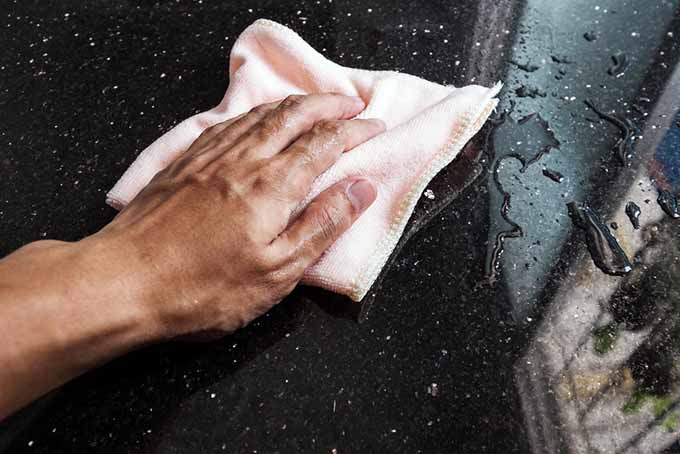
یہ اس بات پر منحصر ہے کہ پلیٹ کو کس طرح استعمال کیا جا رہا ہے۔ اگر ممکن ہو تو، ہم دن کے شروع میں (یا کام کی شفٹ) اور آخر میں دوبارہ پلیٹ صاف کرنے کی تجویز کرتے ہیں۔ اگر پلیٹ گندی ہو جائے، خاص طور پر تیل یا چپچپا سیالوں سے، تو اسے فوری طور پر صاف کر دینا چاہیے۔
پلیٹ کو مائع یا ZHHIMG واٹر لیس سطح کے پلیٹ کلینر سے باقاعدگی سے صاف کریں۔ صفائی کے حل کا انتخاب اہم ہے۔ اگر ایک غیر مستحکم سالوینٹ استعمال کیا جاتا ہے (ایسیٹون، لاک پتلا، الکحل، وغیرہ) بخارات سطح کو ٹھنڈا کر دے گا، اور اسے بگاڑ دے گا۔ اس صورت میں، پلیٹ کو استعمال کرنے سے پہلے اسے معمول پر لانے کی اجازت دینا ضروری ہے ورنہ پیمائش کی غلطیاں ہو جائیں گی۔
پلیٹ کو معمول پر لانے کے لیے درکار وقت کی مقدار پلیٹ کے سائز اور ٹھنڈک کی مقدار کے ساتھ مختلف ہوگی۔ چھوٹی پلیٹوں کے لیے ایک گھنٹہ کافی ہونا چاہیے۔ بڑی پلیٹوں کے لیے دو گھنٹے درکار ہو سکتے ہیں۔ اگر پانی پر مبنی کلینر استعمال کیا جائے تو کچھ بخارات کو ٹھنڈا کرنا بھی ہوگا۔
پلیٹ پانی کو بھی برقرار رکھے گی، اور اس کی وجہ سے سطح کے ساتھ رابطے میں دھاتی حصوں کو زنگ لگ سکتا ہے۔ کچھ کلینر خشک ہونے کے بعد چپکنے والی باقیات بھی چھوڑ دیتے ہیں، جو ہوا سے اٹھنے والی دھول کو اپنی طرف متوجہ کرے گا، اور درحقیقت اس میں کمی کے بجائے لباس بڑھے گا۔
یہ پلیٹ کے استعمال اور ماحول پر منحصر ہے۔ ہم تجویز کرتے ہیں کہ ایک نئی پلیٹ یا عین مطابق گرینائٹ لوازمات کو خریداری کے ایک سال کے اندر مکمل دوبارہ ترتیب دیا جائے۔ اگر گرینائٹ کی سطح کی پلیٹ کا بھاری استعمال نظر آئے گا، تو اس وقفہ کو چھ ماہ تک کم کرنے کا مشورہ دیا جا سکتا ہے۔ الیکٹرانک لیول یا اس سے ملتی جلتی ڈیوائس کا استعمال کرتے ہوئے پیمائش کی دہرائی جانے والی غلطیوں کے لیے ماہانہ معائنے میں پہننے کے بڑھتے ہوئے دھبے نظر آئیں گے اور اسے انجام دینے میں صرف چند منٹ لگتے ہیں۔ پہلی ری کیلیبریشن کے نتائج کا تعین ہونے کے بعد، آپ کے داخلی معیار کے نظام کے ذریعہ اجازت یا ضرورت کے مطابق انشانکن وقفہ کو بڑھایا یا چھوٹا کیا جا سکتا ہے۔
ہم آپ کی گرینائٹ سطح کی پلیٹ کا معائنہ اور کیلیبریٹ کرنے میں آپ کی مدد کے لیے سروس پیش کر سکتے ہیں۔

انشانکن کے درمیان تغیرات کی کئی ممکنہ وجوہات ہیں:
- انشانکن سے پہلے سطح کو گرم یا ٹھنڈے محلول سے دھویا گیا تھا، اور اسے معمول پر لانے کے لیے کافی وقت نہیں دیا گیا تھا۔
- پلیٹ کو غلط طریقے سے سپورٹ کیا گیا ہے۔
- درجہ حرارت کی تبدیلی
- ڈرافٹ
- پلیٹ کی سطح پر براہ راست سورج کی روشنی یا دیگر تابناک گرمی۔ اس بات کو یقینی بنائیں کہ اوور ہیڈ لائٹنگ سطح کو گرم نہیں کر رہی ہے۔
- موسم سرما اور گرمیوں کے درمیان عمودی درجہ حرارت کے میلان میں تغیرات (اگر ممکن ہو تو، انشانکن کے وقت عمودی درجہ حرارت کو جانیں۔)
- شپمنٹ کے بعد پلیٹ کو معمول پر لانے کے لیے کافی وقت کی اجازت نہیں ہے۔
- معائنہ کے آلات کا غلط استعمال یا غیر کیلیبریٹڈ آلات کا استعمال
- پہننے کے نتیجے میں سطح کی تبدیلی
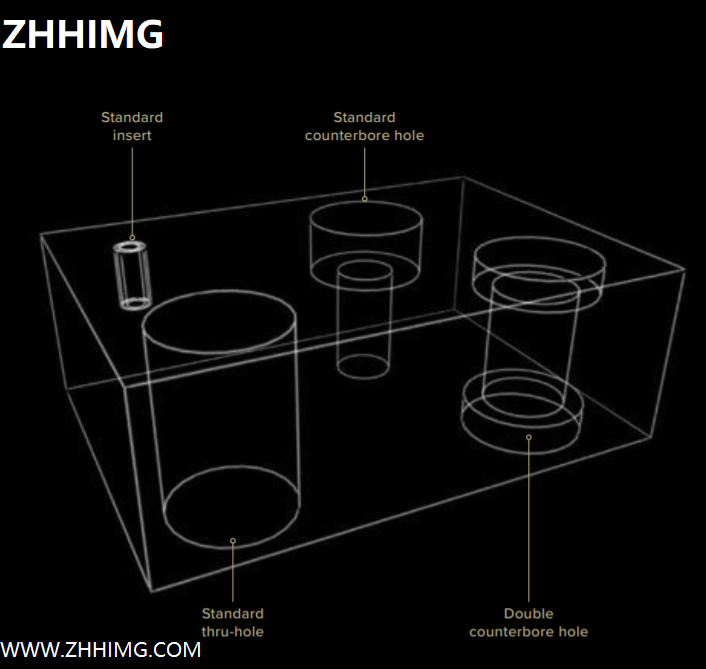
صحت سے متعلق گرینائٹ پر کتنے قسم کے سوراخ ہیں؟
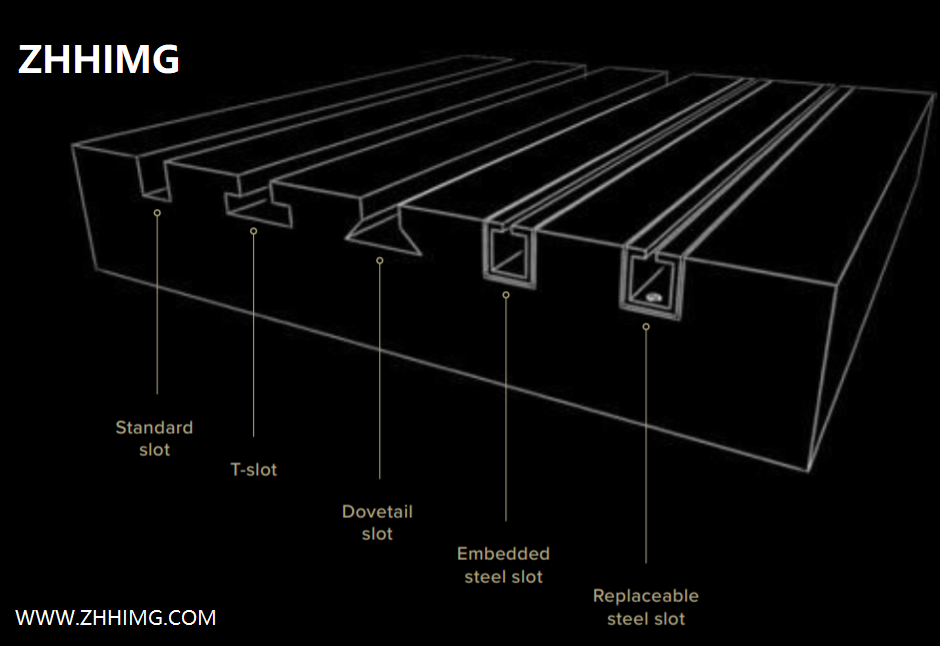
پریسجن گرینائٹ اجزاء پر سلاٹس
بہت سی فیکٹریوں، معائنہ کے کمروں اور لیبارٹریوں کے لیے، درست پیمائش کی بنیاد کے طور پر عین مطابق گرینائٹ سطح کی پلیٹوں پر انحصار کیا جاتا ہے۔ چونکہ ہر لکیری پیمائش ایک درست حوالہ جاتی سطح پر منحصر ہوتی ہے جہاں سے حتمی جہتیں لی جاتی ہیں، سطحی پلیٹیں مشینی سے پہلے کام کے معائنہ اور ترتیب کے لیے بہترین حوالہ طیارہ فراہم کرتی ہیں۔ وہ اونچائی کی پیمائش کرنے اور سطحوں کو گیجنگ کرنے کے لیے بھی مثالی اڈے ہیں۔ اس کے علاوہ، اعلی درجے کی ہمواری، استحکام، مجموعی معیار اور کاریگری انہیں جدید ترین مکینیکل، الیکٹرانک اور آپٹیکل گیجنگ سسٹم لگانے کے لیے ایک اچھا انتخاب بناتی ہے۔ ان میں سے کسی بھی پیمائش کے عمل کے لیے، سطحی پلیٹوں کو کیلیبریٹڈ رکھنا ضروری ہے۔
Repeat Measurements and Flatness
درست سطح کو یقینی بنانے کے لیے چپٹا پن اور دوبارہ پیمائش دونوں اہم ہیں۔ ہمواری کو سطح کے تمام پوائنٹس کے طور پر سمجھا جا سکتا ہے جو دو متوازی طیاروں، بیس طیارہ اور چھت کے جہاز کے اندر موجود ہے۔ طیاروں کے درمیان فاصلے کی پیمائش سطح کی مجموعی چپٹی ہے۔ یہ ہمواری پیمائش عام طور پر رواداری رکھتی ہے اور اس میں گریڈ کا عہدہ شامل ہو سکتا ہے۔
The flatness tolerances for three standard grades are defined in the federal specification as determined by the following formula:
DIN سٹینڈرڈ، GB سٹینڈرڈ، ASME سٹینڈرڈ، JJS سٹینڈرڈ... مختلف سٹینڈ کے ساتھ مختلف ملک...
معیاری کے بارے میں مزید تفصیلات۔
In addition to flatness, repeatability must be ensured. A repeat measurement is a measurement of local flatness areas. It is a measurement taken anywhere on the surface of a plate that will repeat within the stated tolerance. Controlling local area flatness to a tighter tolerance than overall flatness guarantees a gradual change in surface flatness profile, thereby minimizing local errors.
اس بات کو یقینی بنانے کے لیے کہ سطح کی پلیٹ چپٹی اور دوبارہ پیمائش کی دونوں وضاحتوں کو پورا کرتی ہے، گرینائٹ سطح کی پلیٹوں کے مینوفیکچررز کو اپنی وضاحتوں کی بنیاد کے طور پر فیڈرل اسپیسیفیکیشن GGG-P-463c استعمال کرنا چاہیے۔ یہ معیار دوبارہ پیمائش کی درستگی، سطحی پلیٹ گرینائٹ کی مادی خصوصیات، سطح کی تکمیل، سپورٹ پوائنٹ کی جگہ، سختی، معائنہ کے قابل قبول طریقے اور تھریڈڈ انسرٹس کی تنصیب کا پتہ دیتا ہے۔
Checking Plate Accuracy
چند سادہ ہدایات پر عمل کرتے ہوئے، گرینائٹ کی سطح کی پلیٹ میں سرمایہ کاری کئی سالوں تک جاری رہنی چاہیے۔ پلیٹ کے استعمال، دکان کے ماحول اور مطلوبہ درستگی پر منحصر ہے، سطح کی پلیٹ کی درستگی کو جانچنے کی فریکوئنسی مختلف ہوتی ہے۔ انگوٹھے کا ایک عام اصول یہ ہے کہ نئی پلیٹ کو خریداری کے ایک سال کے اندر مکمل دوبارہ ترتیب دیا جائے۔ اگر پلیٹ کو کثرت سے استعمال کیا جائے تو اس وقفہ کو چھ ماہ تک کم کرنے کا مشورہ دیا جاتا ہے۔
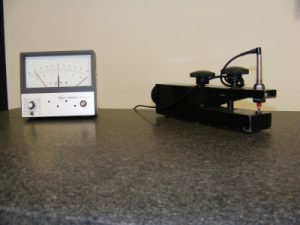
Before a surface plate has worn beyond specification for overall flatness, it will show worn or wavy posts. Monthly inspection for repeat measurement errors using a repeat reading gage will identify wear spots. A repeat reading gage is a high-precision instrument that detects local error and can be displayed on a high magnification electronic amplifier.
An effective inspection program should include regular checks with an autocollimator, providing actual calibration of overall flatness traceable to National Institute of Standards and Technology (NIST). Comprehensive calibration by the manufacturer or an independent company is necessary from time to time.
Variations Between Calibrations
بعض صورتوں میں، سطح کی پلیٹ کیلیبریشن کے درمیان تغیرات ہوتے ہیں۔ بعض اوقات ایسے عوامل جیسے پہننے کے نتیجے میں سطح کی تبدیلی، معائنہ کے آلات کا غلط استعمال یا غیر کیلیبریٹڈ آلات کا استعمال ان تغیرات کا سبب بن سکتا ہے۔ تاہم، دو سب سے عام عوامل درجہ حرارت اور معاونت ہیں۔
One of the most important variables is temperature. For instance, the surface might have been washed with a hot or cold solution prior to calibration and not allowed sufficient time to normalize. Other causes of temperature change include drafts of cold or hot air, direct sunlight, overhead lighting or other sources of radiant heat on the surface of the plate.
There also can be variations in the vertical temperature gradient between winter and summer. In some cases, the plate is not allowed sufficient time to normalize after shipment. It is a good idea to record the vertical gradient temperature at the time the calibration is performed.
Another common cause for calibration variation is a plate that is improperly supported. A surface plate should be supported at three points, ideally located 20% of the length in from the ends of the plate. Two supports should be located 20% of the width in from the long sides, and the remaining support should be centered.
Only three points can rest solidly on anything but a precision surface. Attempting to support the plate at more than three points will cause the plate to receive its support from various combinations of three points, which will not be the same three points on which it was supported during production. This will introduce errors as the plate deflects to conform to the new support arrangement. Consider using steel stands with support beams designed to line up with the proper support points. Stands for this purpose are generally available from the surface plate manufacturer.
If the plate is properly supported, precise leveling is only necessary if an application specifies it. Leveling is not necessary to maintain the accuracy of a properly supported plate.
Extend Plate Life
چند رہنما خطوط پر عمل کرنے سے گرینائٹ کی سطح کی پلیٹ پر پہننے میں کمی آئے گی اور بالآخر اس کی عمر بڑھ جائے گی۔
سب سے پہلے، پلیٹ کو صاف رکھنا ضروری ہے۔ ہوا سے چلنے والی کھرچنے والی دھول عام طور پر پلیٹ پر ٹوٹ پھوٹ کا سب سے بڑا ذریعہ ہوتی ہے، کیونکہ یہ ورک پیسز اور گیجز کی رابطہ سطحوں میں سرایت کرتی ہے۔
It also is important to cover plates to protect it from dust and damage. Wear life can be extended by covering the plate when not in use.
پلیٹ کو وقفے وقفے سے گھمائیں تاکہ کسی ایک حصے کو ضرورت سے زیادہ استعمال نہ ہو۔ اس کے علاوہ، کاربائڈ پیڈ کے ساتھ gauging پر سٹیل رابطہ پیڈ تبدیل کرنے کی سفارش کی جاتی ہے.
Avoid setting food or soft drinks on the plate. Many soft drinks contain either carbonic or phosphoric acid, which can dissolve the softer minerals and leave small pits in the surface.
Where to Relap
جب گرینائٹ کی سطح کی پلیٹ کو دوبارہ سرفیس کرنے کی ضرورت ہوتی ہے، تو غور کریں کہ آیا اس سروس کو سائٹ پر انجام دیا جائے یا انشانکن کی سہولت پر۔ پلیٹ کو فیکٹری یا کسی مخصوص سہولت میں دوبارہ لگانا ہمیشہ بہتر ہوتا ہے۔ اگر، تاہم، پلیٹ بہت بری طرح سے پہنی ہوئی نہیں ہے، عام طور پر مطلوبہ رواداری کے 0.001 انچ کے اندر، اسے سائٹ پر دوبارہ بنایا جا سکتا ہے۔ اگر کسی پلیٹ کو اس مقام پر پہنا جاتا ہے جہاں وہ برداشت سے باہر ہو، یا اگر اس میں بری طرح سے گڑھا پڑ گیا ہو یا اس کا ٹکڑا ہو، تو اسے دوبارہ لگانے سے پہلے پیسنے کے لیے فیکٹری میں بھیج دیا جائے۔
A calibration facility has the equipment and factory setting providing the optimum conditions for proper plate calibration and rework if necessary.
سائٹ پر کیلیبریشن اور ری سرفیسنگ ٹیکنیشن کے انتخاب میں بہت احتیاط برتنی چاہیے۔ تصدیق کے لیے پوچھیں اور اس سامان کی تصدیق کریں جو ٹیکنیشن استعمال کرے گا اس کا پتہ لگانے کے قابل کیلیبریشن ہے۔ تجربہ بھی ایک اہم عنصر ہے، کیونکہ یہ سیکھنے میں کئی سال لگتے ہیں کہ کس طرح درست طریقے سے عین مطابق گرینائٹ لیپ کرنا ہے۔
Critical measurements start with a precision granite surface plate as a baseline. By ensuring a reliable reference by using a properly calibrated surface plate, manufacturers have one of the essential tools for reliable measurements and better quality parts.Q
Checklist for Calibration Variations
1. انشانکن سے پہلے سطح کو گرم یا ٹھنڈے محلول سے دھویا گیا تھا اور اسے معمول پر لانے کے لیے کافی وقت نہیں دیا گیا تھا۔
2. پلیٹ کو غلط طریقے سے سپورٹ کیا گیا ہے۔
3. درجہ حرارت کی تبدیلی۔
4. ڈرافٹ۔
5. پلیٹ کی سطح پر براہ راست سورج کی روشنی یا دیگر تابناک گرمی۔ اس بات کو یقینی بنائیں کہ اوور ہیڈ لائٹنگ سطح کو گرم نہیں کر رہی ہے۔
6. موسم سرما اور گرمیوں کے درمیان عمودی درجہ حرارت کے میلان میں تغیرات۔ اگر ممکن ہو تو، انشانکن کی کارکردگی کے وقت عمودی درجہ حرارت کو جانیں۔
7. شپمنٹ کے بعد پلیٹ کو معمول پر لانے کے لیے کافی وقت کی اجازت نہیں ہے۔
8. معائنہ کے آلات کا غلط استعمال یا نان کیلیبریٹڈ آلات کا استعمال۔
9. پہننے کے نتیجے میں سطح کی تبدیلی۔
Tech Tips
- چونکہ ہر لکیری پیمائش ایک درست حوالہ جاتی سطح پر منحصر ہوتی ہے جہاں سے حتمی جہتیں لی جاتی ہیں، سطحی پلیٹیں مشینی سے پہلے کام کے معائنہ اور ترتیب کے لیے بہترین حوالہ طیارہ فراہم کرتی ہیں۔
- Controlling local area flatness to a tighter tolerance than overall flatness guarantees a gradual change in surface flatness profile, thereby minimizing local errors.
- ایک موثر معائنے کے پروگرام میں ایک آٹوکولیمیٹر کے ساتھ باقاعدگی سے چیک شامل ہونا چاہئے، جو کہ نیشنل انسپکشن اتھارٹی کو مجموعی طور پر ہموار پن کی اصل کیلیبریشن فراہم کرتا ہے۔
گرینائٹ بنانے والے معدنی ذرات میں، 90% سے زیادہ فیلڈ اسپار اور کوارٹز ہیں، جن میں سے فیلڈ اسپار سب سے زیادہ ہے۔ فیلڈ اسپار اکثر سفید، سرمئی اور گوشت سرخ ہوتا ہے، اور کوارٹج زیادہ تر بے رنگ یا سرمئی سفید ہوتا ہے، جو گرینائٹ کا بنیادی رنگ بناتا ہے۔ فیلڈ اسپار اور کوارٹز سخت معدنیات ہیں، اور اسٹیل چھری سے حرکت کرنا مشکل ہے۔ جہاں تک گرینائٹ میں سیاہ دھبوں کا تعلق ہے، بنیادی طور پر سیاہ ابرک، کچھ دیگر معدنیات بھی ہیں۔ اگرچہ بائیوٹائٹ نسبتاً نرم ہے، لیکن اس کی تناؤ کے خلاف مزاحمت کرنے کی صلاحیت کمزور نہیں ہے، اور اسی وقت ان میں گرینائٹ کی تھوڑی مقدار ہوتی ہے، جو اکثر 10% سے بھی کم ہوتی ہے۔ یہ مادی حالت ہے جس میں گرینائٹ خاص طور پر مضبوط ہے۔
گرینائٹ کے مضبوط ہونے کی ایک اور وجہ یہ ہے کہ اس کے معدنی ذرات ایک دوسرے سے مضبوطی سے جڑے ہوئے ہیں اور ایک دوسرے میں سرایت کر رہے ہیں۔ سوراخ اکثر چٹان کے کل حجم کے 1% سے بھی کم ہوتے ہیں۔ اس سے گرینائٹ کو مضبوط دباؤ کو برداشت کرنے کی صلاحیت ملتی ہے اور نمی آسانی سے داخل نہیں ہوتی ہے۔
گرینائٹ کے اجزاء پتھر سے بنے ہیں جس میں کوئی زنگ نہیں، تیزاب اور الکلی مزاحمت، اچھی لباس مزاحمت اور طویل خدمت زندگی، کوئی خاص دیکھ بھال نہیں ہے۔ گرینائٹ صحت سے متعلق اجزاء زیادہ تر مشینری کی صنعت کے ٹولنگ میں استعمال ہوتے ہیں۔ لہذا، انہیں گرینائٹ صحت سے متعلق اجزاء یا گرینائٹ اجزاء کہا جاتا ہے. گرینائٹ صحت سے متعلق اجزاء کی خصوصیات بنیادی طور پر گرینائٹ پلیٹ فارم کی طرح ہی ہیں۔ ٹولنگ اور گرینائٹ کے درست اجزاء کی پیمائش کا تعارف: پریسجن مشیننگ اور مائیکرو مشیننگ ٹیکنالوجی مشینری مینوفیکچرنگ انڈسٹری کی اہم ترقی کی سمت ہیں، اور یہ ہائی ٹیک لیول کی پیمائش کے لیے ایک اہم اشارے بن گئے ہیں۔ جدید ٹیکنالوجی اور دفاعی صنعت کی ترقی درست مشینی اور مائیکرو مشینی ٹیکنالوجی سے الگ نہیں ہے۔ گرینائٹ کے اجزاء کو بغیر کسی جمود کے پیمائش میں آسانی سے سلائیڈ کیا جا سکتا ہے۔ کام کی سطح کی پیمائش، عام خروںچ پیمائش کی درستگی کو متاثر نہیں کرتے ہیں۔ گرینائٹ کے اجزاء کو ڈیمانڈ سائیڈ کی ضروریات کے مطابق ڈیزائن اور تیار کرنے کی ضرورت ہے۔
درخواست کا میدان:
جیسا کہ ہم سب جانتے ہیں کہ زیادہ سے زیادہ مشینیں اور سامان صحت سے متعلق گرینائٹ اجزاء کا انتخاب کر رہے ہیں۔
گرینائٹ کے اجزاء متحرک حرکت، لکیری موٹرز، سی ایم ایم، سی این سی، لیزر مشین کے لیے استعمال ہوتے ہیں۔
مزید معلومات کے لیے ہم سے رابطہ کرنے میں خوش آمدید۔
گرینائٹ کی پیمائش کرنے والے آلات اور گرینائٹ مکینیکل اجزاء اعلیٰ معیار کے جنان بلیک گرینائٹ سے بنے ہیں۔ ان کی اعلی صحت سے متعلق، طویل مدت، اچھی استحکام اور سنکنرن مزاحمت کی وجہ سے، وہ جدید صنعت اور اس طرح کے سائنسی شعبوں جیسے مکینیکل ایرو اسپیس اور سائنسی تحقیقوں کے مصنوعات کے معائنہ میں زیادہ سے زیادہ استعمال ہوتے رہے ہیں۔
فوائد
---- ڈالے ہوئے لوہے سے دوگنا سخت
---- طول و عرض کی کم سے کم تبدیلیاں درجہ حرارت کی تبدیلیوں کی وجہ سے ہوتی ہیں؛
---- مروڑ سے پاک، تاکہ کام میں خلل نہ پڑے؛
---- باریک دانوں کی ساخت اور غیر معمولی چپکنے کی وجہ سے گڑبڑ یا پھیلاؤ سے پاک، جو طویل سروس کی زندگی میں اعلی درجے کی چپٹی کو یقینی بناتا ہے اور دوسرے حصوں یا آلات کو کوئی نقصان نہیں پہنچاتا؛
----مقناطیسی مواد کے ساتھ استعمال کے لیے پریشانی سے پاک آپریشن;
---- لمبی زندگی اور زنگ سے پاک، کم دیکھ بھال کے اخراجات کے نتیجے میں۔
درستگی کو حاصل کرنے کے لیے درست گرینائٹ کی سطح کی پلیٹوں کو درستگی کے اعلیٰ معیار کے ساتھ لیپ کیا جاتا ہے اور جدید ترین مکینیکل، الیکٹرانک اور آپٹیکل گیجنگ سسٹم کو نصب کرنے کے لیے بیس کے طور پر استعمال کیا جاتا ہے۔
گرینائٹ سطح کی پلیٹ کی کچھ منفرد خصوصیات:
سختی میں یکسانیت؛
بوجھ کے حالات کے تحت درست؛
کمپن جاذب؛
صاف کرنے کے لئے آسان؛
لپیٹ مزاحم؛
کم پوروسیٹی؛
غیر کھرچنے والا؛
غیر مقناطیسی
گرینائٹ سرفیس پلیٹ کے فوائد
First, the rock after a long period of natural aging, uniform structure, coefficient minimum, the internal stress completely disappear, not deformed, so the precision is high.
ای میل بھیجیں۔
واٹس ایپ
سکائپ
انگریزی
جرمن
فرانسیسی
پرتگالی
ہسپانوی
جاپانی
کورین
عربی
آئرش
یونانی
ترکی
اطالوی
ڈینش
رومانیہ
انڈونیشین
چیک
سویڈش
پولش
باسکی
کاتالان
ایسپرانٹو
ہندی
لاؤ
البانوی
امہاری
آرمینیائی
آذربائیجانی
بیلاروسی
Pبنگالی
بوسنیائی
بلغاریائی
سیبوانو
چیچیوا ۔
کورسیکن
کروشین
ڈچ
اسٹونین
فلپائنی
فنش
فریسیئن
گالیشین
جارجیائی
گجراتی
ہیٹی
ہاؤسا
ہوائیعبرانیہمونگ
ہنگریآئس لینڈیاگبو
جاویانیکنڑ
قازق
خمیر
کرد
کرغیز
لاطینی
لیٹوین
لتھوینیائی
لکسمبو..
مقدونیائی
ملاگاسی
مالائی
ملیالم
مالٹیز
ماوری
مراٹھی
منگول
برمی
نیپالی
ناروے
پشتو
فارسی
پنجابی
سربیائی
سیسوتھو
سنہالا
سلوواک
- سلووینیائی
- صومالی
- سامون
- اسکاٹس گیلک
- شونا
- سندھی
- سنڈانی
- سواحلی
- تاجک
- تامل
- تیلگو
تھائی
یوکرینی
اردوAازبک2ویتنامیLویلشAژوسا
یدش
یوروبا
زولو
کنیاروانڈا
تاتار
ترکمان
ایغور
چینی
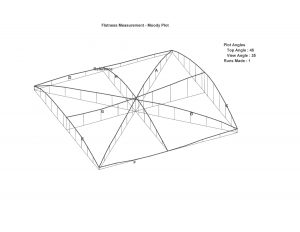
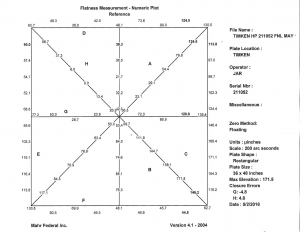
Routine surface plate calibration is necessary to ensure flatness and repeatability over time. The precision measurement group at Cross is ISO 17025 accredited for calibration of surface plate flatness and repeatability. We utilize the Mahr Surface Plate Certification System featuring:
- Moody and Profile Analysis,
- Isometric or Numeric plots,
- Multiple Run Average, and
- Automatic Grading According to Industry Standards.
The Mahr Computer Assisted Model determines any angular or linear deviation from absolute level, and is ideally suited for highly precise profiling of surface plates.
Intervals between calibrations will vary depending on the frequency of use, the environmental conditions where the plate is located, and the specific quality requirements of your company. Properly maintaining your surface plate may allow for longer intervals between each calibration, helps you avoid the added cost of relapping, and most importantly ensures the measurements you obtain on the plate are as accurate as possible. Although surface plates appear robust, they are precision instruments and should be treated as such. Here are some things to consider regarding care of your surface plates:
- Keep the plate clean, and if possible cover it when it is not in use
- Nothing should be placed on the plate other than gages or pieces to be measured.
- Don’t use the same spot on the plate every time.
- If possible, rotate the plate periodically.
- Respect the load limit of your plate
Precision Granite Base Can Improve Machine Tool Performances
Requirements are constantly increasing in mechanical engineering in general and in machine tool construction in particular. Achieving maximum precision and performance values without increasing costs are constant challenges to being competitive. The machine tool bed is a decisive factor here. Therefore, more and more machine tool manufacturers are relying on granite. Due to its physical parameters, it offers clear advantages that cannot be achieved with steel or polymer concrete.
Granite is a so-called volcanic deep rock and has a very dense and homogeneous structure with an extremely low coefficient of expansion, low thermal conductivity and high vibration damping.
Below you will discover why the common opinion that granite is mainly only suitable as machine base for high-end coordinate measuring machines is long outdated and why this natural material as a machine tool base is a very advantageous alternative to steel or cast iron even for high-precision machine tools.
We can manufacture granite components for dynamic motion, granite components for linear motors, granite components for ndt, granite components for xray, granite components for cmm, granite components for cnc, granite precision for laser, granite components for aerospace, granite components for precision stages...
High Added Value Without Additional Costs
The increasing use of granite in mechanical engineering is not so much due to the massive increase in the price of steel. Rather, it is because the added value for the machine tool achieved with a machine bed made of granite is possible at very little or no extra cost. This is proven by cost comparisons of well-known machine tool manufacturers in Germany and Europe.
The considerable gain in thermodynamic stability, vibration damping and long-term precision made possible by granite cannot be achieved with a cast iron or steel bed, or only at relatively high cost. For example, thermal errors can account for up to 75% of the total error of a machine, with compensation often attempted for by software – with moderate success. Due to its low thermal conductivity, granite is the better foundation for long-term precision.
With a tolerance of 1 μm, granite easily meets the flatness requirements according to DIN 876 for the degree of accuracy 00. With a value of 6 on the hardness scale 1 to 10, it is extremely hard, and with its specific weight of 2.8g/cm³ it almost reaches the value of aluminium. This also results in additional advantages such as higher feed rates, higher axis accelerations and an extension of the tool life for cutting machine tools. Thus, the change from a cast bed to a granite machine bed moves the machine tool in question into the high-end class in terms of precision and performance – at no extra cost.
Granite’s Improved Ecological Footprint
In contrast to materials such as steel or cast iron, natural stone does not have to be produced with a great deal of energy and using additives. Only relatively small amounts of energy are required for quarrying and surface treatment. This results in a superior ecological footprint, which even at the end of a machine’s life surpasses that of steel as a material. The granite bed can be the basis for a new machine or be used for completely different purposes such as shredding for road construction.
Nor are there any shortages of resources for granite. It is a deep rock formed from magma within the earth’s crust. It has ‘matured’ for millions of years and is available in very large quantities as a natural resource on almost all continents, including all of Europe.
Conclusion: The numerous demonstrable advantages of granite compared to steel or cast iron justify the increasing willingness of mechanical engineers to use this natural material as a foundation for high-precision, high-performance machine tools. Detailed information about granite properties, which are advantageous for machine tools and mechanical engineering, can be found in this further article.
A repeat measurement is a measurement of local flatness areas. The Repeat Measurement specification states that a measurement taken anywhere on the surface of a plate will repeat within the stated tolerance. Controlling local area flatness tighter than overall flatness guarantees a gradual change in surface flatness profile thereby minimizing local errors.
Most manufacturers, including imported brands, adhere to the Federal Specification of overall flatness tolerances but many overlook the repeat measurements. Many of the low value or budget plates available in the market today will not guarantee repeat measurements. A manufacturer who does not guarantee repeat measurements is NOT producing plates that meet the requirements of ASME B89.3.7-2013 or Federal Specification GGG-P-463c, or DIN 876, GB, JJS...
Both are critical to ensure a precision surface for accurate measurements. Flatness specification alone is not sufficient to guarantee measurement accuracy. Take as an example, a 36 X 48 Inspection Grade A surface plate, which meets ONLY the flatness specification of .000300". If the piece being checked bridges several peaks, and the gage being used is in a low spot, the measurement error could be the full tolerance in one area, 000300"! Actually, it can be much higher if the gage is resting on the slope of an incline.
Errors of .000600"-.000800" are possible, depending upon the severity of the slope, and the arm length of the gage being used. If this plate had a Repeat Measurement specification of .000050"F.I.R. then the measurement error would be less than .000050" regardless of where the measurement is taken on the plate. Another problem, which usually arises when an untrained technician attempts to resurface a plate on-site, is the use of Repeat Measurements alone to certify a plate.
The instruments that are used to verify repeatability are NOT designed to check overall flatness. When set to zero on a perfectly curved surface, they will continue to read zero, whether that surface is perfectly flat or perfectly concave or convex 1/2"! They simply verify the uniformity of the surface, not the flatness. Only a plate that meets both the flatness specification AND the repeat measurement specification truly meets the requirements of ASME B89.3.7-2013 or Federal Specification GGG-P-463c.
Ask us about or flatness specification and repeat measurement promise by calling +86 19969991659 or emailing INFO@ZHHIMG.COM
Yes, but they can only be guaranteed for a specific vertical temperature gradient. The effects of thermal expansion on the plate could easily cause a change in accuracy greater than the tolerance if there is a change in the gradient. In some cases, if the tolerance is tight enough, the heat absorbed from overhead lighting can cause enough of a gradient change over several hours.
Granite has a coefficient of thermal expansion of approximately .0000035 inches per inch per 1°F. As an example: A 36" x 48" x 8" surface plate has an accuracy of .000075" (1/2 of Grade AA) at a gradient of 0°F, the top and bottom are the same temperature. If the top of the plate warms up to the point where it is 1°F warmer than the bottom, the accuracy would change to .000275" convex ! Therefore, ordering a plate with a tolerance tighter than Laboratory Grade AA should only be considered if there is adequate climate control.
A surface plate should be supported at 3 points, ideally located 20% of the length in from the ends of the plate. Two supports should be located 20% of the width in from the long sides, and the remaining support should be centered. Only 3 points can rest solidly on anything but a precision surface.
The plate should be supported at these points during production, and it should be supported only at these three points while in use. Attempting to support the plate at more than three points will cause the plate to receive its support from various combinations of three points, which will not be the same 3 points on which it was supported during production. This will introduce errors as the plate deflects to conform to the new support arrangement. All zhhimg steel stands have support beams designed to line up with the proper support points.
If the plate is properly supported, precise leveling is only necessary if your application calls for it. Leveling is not necessary to maintain the accuracy of a properly supported plate.
Why Choose Granite for Machine Bases and Metrology Components?
The answer is 'yes' for almost every application. The advantages of granite include: No rust or corrosion, almost immune to warping, no compensating hump when nicked, longer wear life, smoother action, greater precision, virtually non-magnetic, low co-efficient of thermal expansion, and low maintenance cost.
Granite is a type of igneous rock quarried for its extreme strength, density, durability, and resistance to corrosion. But granite is also very versatile– it’s not just for squares and rectangles! In fact, Starrett Tru-Stone confidently works with granite components engineered in shapes, angles, and curves of all variations on a regular basis—with excellent outcomes.
Through our state of the art processing, cut surfaces can be exceptionally flat. These qualities make granite the ideal material to create custom-size and custom-design machine bases and metrology components. Granite is:
machineable
precisely flat when cut and finished
rust resistant
durable
long lasting
Granite components are also easy to clean. When creating custom designs, be sure to choose granite for its superior benefits.
STANDARDS / HIGH WEAR APPLICATIONS
The granite utilized by ZhongHui for our standard surface plate products has high quartz content, which provides greater resistance to wear and damage. Our Superior Black and Crystal Pink colors have low water absorption rates, minimizing the possibility of your precision gages rusting while setting on the plates. The colors of granite offered by ZhongHui result in less glare, which means less eyestrain for individuals using the plates. We have chosen our granite types while considering thermal expansion in an effort to keep this aspect minimal.
CUSTOM APPLICATIONS
When your application calls for a plate with custom shapes, threaded inserts, slots or other machining, you’ll want to select a material like Black Diabase. This natural material offers superior stiffness, excellent vibration dampening, and improved machinability.
Yes, if they are not too badly worn. Our factory setting and equipment allow the optimum conditions for proper plate calibration and rework if necessary. Generally, if a plate is within .001" of the required tolerance, it can be resurfaced on-site. If a plate is worn to the point where it is more than .001" out of tolerance, or if it is badly pitted or nicked, then it will need to be sent to the factory for grinding prior to relapping.
Great care should be exercised in selecting an on-site calibration and resurfacing technician. We urge you to use caution in selecting your calibration service. Ask for accreditation and verify the equipment that the technician will use has a National Inspection Institution traceable calibration. It takes many years to learn how to properly lap precision granite.
ZhongHui provides quick turn-around on calibrations performed in our factory. Send your plates in for calibration if possible. Your quality and reputation depend on the accuracy of your measurement instruments including surface plates!
Our black surface plates have a significantly higher density and are up to three times as stiff. Therefore, a plate made of the black does not need to be as thick as a granite plate of the same size to have equal or greater resistance to deflection. Reduced thickness means less weight and lower shipping costs.
Beware of others who use lower quality black granite in the same thickness. As stated above, properties of granite, like wood or metal, vary by material and color, and is not an accurate predictor of stiffness, hardness, or wear resistance. In fact, many types of black granite and diabase are very soft and not suitable for surface plate applications.
No. The specialized equipment and training necessary to rework these items requires that they be returned to the factory for calibration and rework.
Yes. Ceramic and granite have similar characteristics, and the methods used to calibrate and lap granite can be used with ceramic items as well. Ceramics are more difficult to lap than granite resulting in a higher cost.
Yes, provided that the inserts are recessed below the surface. If steel inserts are flush with, or above the surface plane, they must be spot-faced down before the plate can be lapped. If required, we can provide that service.
Yes. Steel inserts with the desired thread (English or metric) can be epoxy bonded into the plate at the desired locations. ZhongHui uses CNC machines to provide the tightest insert locations within +/- 0.005”. For less critical inserts, our locational tolerance for threaded inserts is ±.060". Other options include steel T-Bars and dovetail slots machined directly into the granite.
Inserts that are properly bonded using high strength epoxy and good workmanship will withstand a great deal of torsional and shear force. In a recent test, using 3/8"-16 threaded inserts, an independent testing laboratory measured the force required to pull an epoxy-bonded insert from a surface plate. Ten plates were tested. Out of these ten, in nine cases, the granite fractured first. The average load at the point of failure was 10,020 lbs. for gray granite and 12,310 lbs. for black. In the single case where an insert pulled free of the plate, the load at the point of failure was 12,990 lbs.! If a work piece forms a bridge across the insert and extreme torque is applied, it is possible to generate enough force to fracture the granite. Partially for this reason, ZhongHui gives guidelines for the maximum safe torque that can be applied the epoxy bonded inserts: https://www.zhhimg.com/standard-thread-inserts-product/
Yes, but only at our factory. At our plant, we can restore almost any plate to 'like-new' condition, usually for less than half the cost of replacing it. Damaged edges can be cosmetically patched, deep grooves, nicks, and pits can be ground out, and the attached supports can be replaced. In addition, we can modify your plate to increase its versatility by adding solid or threaded steel inserts and cutting slots or clamping lips, per your specifications.
Why Choose Granite?
Granite is a type of igneous rock formed in the Earth millions of years ago. The composition of igneous rock contained many minerals such as quartz that is extremely hard and wear-resistant. In addition to hardness and wear resistance granite has approximately half the coefficient of expansion as cast iron. As its volumetric weight is approximately one third that of cast iron, granite is easier to manoeuvre.
For machine bases and metrology components, black granite is the colour most used. Black granite has a higher percentage of quartz than other colours and is, therefore, the hardest wearing.
Granite is cost-effective, and cut surfaces can be exceptionally flat. Not only can it be hand lapped to achieve extremes of accuracy, but re-conditioning can be performed without moving the plate or table off-site. It is entirely a hand lapping operation and generally costs much less than re-conditioning a cast iron alternative.
These qualities make granite the ideal material to create custom-size and custom-design machine bases and metrology components such as the granite surface plate.
ZhongHui produces bespoke granite products that are created to support specific measurement requirements. These bespoke items vary from straight edges to tri squares. Due to the versatile nature of granite, the components can be produced to any size required; they are hard wearing and long-lasting.
Advantages of Granite Surface Plates
The importance of measuring on an even surface was established by British inventor Henry Maudsley in the 1800s. As a machine tool innovator, he determined that consistent production of parts required a solid surface for reliable measurements.
The industrial revolution created a demand for measuring surfaces, so engineering company Crown Windley created manufacturing standards. The standards for surface plates were first set by Crown in 1904 using metal. As the demand and cost for metal increased, alternative materials for the measuring surface were investigated.
In America, monument creator Wallace Herman established that black granite was an excellent surface plate material alternative to metal. As granite is non-magnetic and doesn’t rust, it soon became the preferred measuring surface.
A granite surface plate is an essential investment for laboratories and test facilities. A granite surface plate of 600 x 600 mm can be mounted on a support stand. The stands provide a working height of 34” (0.86m) with five adjustable points for levelling.
For reliable and consistent measurement results, a granite surface plate is crucial. As the surface is a smooth and stable plane, it enables instruments to be carefully manipulated.
The main advantages of granite surface plates are:
• Non-reflective
• Resistant to chemicals and corrosion
• Low coefficient of expansion compared with cart iron so less affected by temperature change
• Naturally rigid and hard-wearing
• The plane of the surface is unaffected if scratched
• Will not rust
• Non-magnetic
• Easy to clean and maintain
• Calibration and resurfacing can be done onsite
• Suitable for drilling for threaded support inserts
• High vibration damping
For many shops, inspection rooms and laboratories, precision granite surface plates are relied on as the basis for accurate measurement. Because every linear measurement depends on an accurate reference surface from which final dimensions are taken, surface plates provide the best reference plane for work inspection and layout prior to machining. They also are ideal bases for making height measurements and gaging surfaces. Further, a high degree of flatness, stability, overall quality and workmanship make them a good choice for mounting sophisticated mechanical, electronic and optical gaging systems. For any of these measurement processes, it is imperative to keep surface plates calibrated.
Repeat Measurements and Flatness
Both flatness and repeat measurements are critical to ensure a precision surface. Flatness can be considered as all points on the surface being contained within two parallel planes, the base plane and the roof plane. The measurement of distance between the planes is the overall flatness of the surface. This flatness measurement commonly carries a tolerance and may include a grade designation.
The flatness tolerances for three standard grades are defined in the federal specification as determined by the following formula:
Laboratory Grade AA = (40 + diagonal² / 25) x 0.000001 inch (unilateral)
Inspection Grade A = Laboratory Grade AA x 2
Tool Room Grade B = Laboratory Grade AA x 4
In addition to flatness, repeatability must be ensured. A repeat measurement is a measurement of local flatness areas. It is a measurement taken anywhere on the surface of a plate that will repeat within the stated tolerance. Controlling local area flatness to a tighter tolerance than overall flatness guarantees a gradual change in surface flatness profile, thereby minimizing local errors.
To ensure a surface plate meets both the flatness and repeat measurement specifications, manufacturers of granite surface plates should use Federal Specification GGG-P-463c as a basis for their specifications. This standard addresses repeat measurement accuracy, material properties of surface plate granites, surface finish, support point location, stiffness, acceptable methods of inspection and installation of threaded inserts.
Before a surface plate has worn beyond specification for overall flatness, it will show worn or wavy posts. Monthly inspection for repeat measurement errors using a repeat reading gage will identify wear spots. A repeat reading gage is a high-precision instrument that detects local error and can be displayed on a high magnification electronic amplifier.
Checking Plate Accuracy
By following a few simple guidelines, an investment in a granite surface plate should last for many years. Depending on plate usage, shop environment and required accuracy, frequency of checking the surface plate accuracy varies. A general rule of thumb is for a new plate to receive a full recalibration within one year of purchase. If the plate is used frequently, it is advisable to shorten this interval to six months.
Before a surface plate has worn beyond specification for overall flatness, it will show worn or wavy posts. Monthly inspection for repeat measurement errors using a repeat reading gage will identify wear spots. A repeat reading gage is a high-precision instrument that detects local error and can be displayed on a high magnification electronic amplifier.
An effective inspection program should include regular checks with an autocollimator, providing actual calibration of overall flatness traceable to National Institute of Standards and Technology (NIST). Comprehensive calibration by the manufacturer or an independent company is necessary from time to time.
Variations Between Calibrations
In some cases, there are variations between surface plate calibrations. Sometimes factors such as surface change resulting from wear, incorrect use of inspection equipment or use of noncalibrated equipment can account for these variations. The two most common factors, however, are temperature and support.
One of the most important variables is temperature. For instance, the surface might have been washed with a hot or cold solution prior to calibration and not allowed sufficient time to normalize. Other causes of temperature change include drafts of cold or hot air, direct sunlight, overhead lighting or other sources of radiant heat on the surface of the plate.
There also can be variations in the vertical temperature gradient between winter and summer. In some cases, the plate is not allowed sufficient time to normalize after shipment. It is a good idea to record the vertical gradient temperature at the time the calibration is performed.
Another common cause for calibration variation is a plate that is improperly supported. A surface plate should be supported at three points, ideally located 20% of the length in from the ends of the plate. Two supports should be located 20% of the width in from the long sides, and the remaining support should be centered.
Only three points can rest solidly on anything but a precision surface. Attempting to support the plate at more than three points will cause the plate to receive its support from various combinations of three points, which will not be the same three points on which it was supported during production. This will introduce errors as the plate deflects to conform to the new support arrangement. Consider using steel stands with support beams designed to line up with the proper support points. Stands for this purpose are generally available from the surface plate manufacturer.
If the plate is properly supported, precise leveling is only necessary if an application specifies it. Leveling is not necessary to maintain the accuracy of a properly supported plate.
It is important to keep the plate clean. Airborne abrasive dust is usually the greatest source of wear and tear on a plate, as it tends to embed in workpieces and the contact surfaces of gages. Cover plates to protect them from dust and damage. Wear life can be extended by covering the plate when not in use.
Extend Plate Life
Following a few guidelines will reduce wear on a granite surface plate and ultimately, extend its life.
First, it is important to keep the plate clean. Airborne abrasive dust is usually the greatest source of wear and tear on a plate, as it tends to embed in workpieces and the contact surfaces of gages.
It also is important to cover plates to protect it from dust and damage. Wear life can be extended by covering the plate when not in use.
Rotate the plate periodically so that a single area does not receive excessive use. Also, it is recommended to replace steel contact pads on gaging with carbide pads.
Avoid setting food or soft drinks on the plate. Many soft drinks contain either carbonic or phosphoric acid, which can dissolve the softer minerals and leave small pits in the surface.
Where to Relap
When a granite surface plate needs re-surfacing, consider whether to have this service performed on-site or at the calibration facility. It is always preferable to have the plate relapped at the factory or a dedicated facility. If, however, the plate is not too badly worn, generally within 0.001 inch of the required tolerance, it can be resurfaced on-site. If a plate is worn to the point where it is more than 0.001 inch out of tolerance, or if it is badly pitted or nicked, then it should be sent to the factory for grinding prior to relapping.
A calibration facility has the equipment and factory setting providing the optimum conditions for proper plate calibration and rework if necessary.
Great care should be exercised in selecting an on-site calibration and resurfacing technician. Ask for accreditation and verify the equipment that the technician will use has a NIST-traceable calibration. Experience also is an important factor, as it takes many years to learn how to correctly lap precision granite.
Critical measurements start with a precision granite surface plate as a baseline. By ensuring a reliable reference by using a properly calibrated surface plate, manufacturers have one of the essential tools for reliable measurements and better quality parts.
Checklist for Calibration Variations
- The surface was washed with a hot or cold solution prior to calibration and was not allowed sufficient time to normalize.
- The plate is improperly supported.
- Temperature change.
- Drafts.
- Direct sunlight or other radiant heat on the surface of the plate. Be sure that overhead lighting is not heating the surface.
- Variations in the vertical temperature gradient between winter and summer. If at all possible, know the vertical gradient temperature at the time the calibration is performed.
- Plate not allowed sufficient time to normalize after shipment.
- Improper use of inspection equipment or use of noncalibrated equipment.
- Surface change resulting from wear.
Tech Tips
Because every linear measurement depends on an accurate reference surface from which final dimensions are taken, surface plates provide the best reference plane for work inspection and layout prior to machining.
Controlling local area flatness to a tighter tolerance than overall flatness guarantees a gradual change in surface flatness profile, thereby minimizing local errors.